Forensic Serology
Forensic serologist Marcella Jones notes that forensic serology is the analysis of body fluids as they relate to forensic cases, including DNA analysis and accordingly, the role of the forensic serologist involves:
- Examining evidence for the presence of body fluids e.g. blood, semen, hair, tissue, saliva, feces, and urine.
- Evaluating evidence for potential DNA analysis.
- Evaluating species of body fluids.
- Perform PCR (polymerase chain reaction) based typing of STR (short tandem repeat sequences) of genomic DNA, or mitochondrial sequence analysis of mitochondrial DNA.
- Statistically evaluating evidence relevant in the case to impart weight on the evidence.
- Performing all analysis with objectivity and unbiased scientific methods.
- Reporting and testifying regarding the results of analysis in court.
Want To Study Forensics/CSI?

Serology and DNA Analysis
Interview with Suzanna Ryan, MS, D-ABC, a former forensic DNA analyst and forensic DNA Technical leader with 15 years of experience in the field of Forensic-Serology and DNA Analysis.
Essential Reading
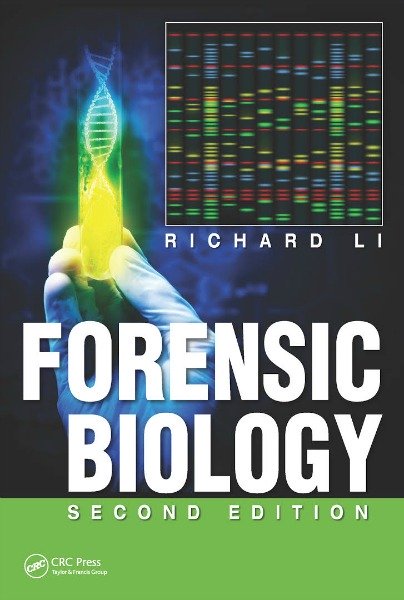
Over the last several years, new research and developments in analysis methods and practice have led to rapid advancements in forensic biology. Identifying critical points of knowledge and new methodological approaches in the field, Forensic Biology, Second Edition focuses on forensic-serology and forensic DNA analysis. It provides students and professionals with a scientific grounding in biological evidence—both the techniques used to identify it and the methodology to analyze it.
This second edition:
Introduces the language of forensic biology, enabling students to become comfortable with usage and terminology.
Provides clear explanations of the principles of forensic identification and analysis of biological evidence.
Explains forensic serology and DNA techniques used in the field and the laboratory.
Discusses the benefits and limitations that apply to various forensic biology techniques.
Includes schematic illustrations to clarify concepts.
Presents three new chapters created for this edition.
Adds more than two hundred new color figures.
Covering the full scope of forensic biology, the book uses an accessible, straightforward style designed to enhance students’ education and training so they are prepared, both in the laboratory and in the field.
See following link for full details.
Forensic Biology, by Richard Li
Recent Articles


-
All About Forensic Science
Nov 12, 24 03:05 AM
A forensic science website designed to help anybody looking for detailed information and resources. -
The Role of Forensic Evidence in Criminal Defense Cases
Sep 05, 24 03:38 AM
 Article exploring five key roles that forensic evidence plays in criminal defense cases
 -
The Evolving Role of Medical Science in Forensic Investigations
Aug 06, 24 03:35 AM
 Insightful article exploring the critical role of medical science in forensic investigations.
New! Comments
Have your say about what you just read! Leave me a comment in the box below.